



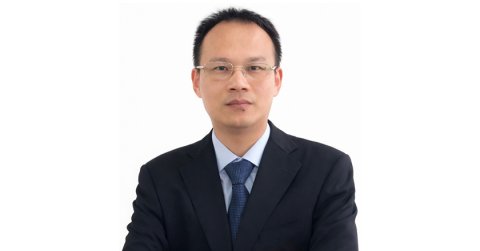
Rocky Yao, IT Director of MUMUSO, shares insights into how the brand is strengthening its digital foundations to support global expansion, operational agility, and data-driven decision-making in an increasingly competitive retail landscape.
Global retail is entering a more demanding, insight-led phase where growth is defined less by footprint and more by operational intelligence, agility, and experience. For MUMUSO, the focus has shifted towards strengthening digital foundations capable of supporting scalable global expansion while enabling faster, data-driven decision-making across markets. Rising consumer expectations, instant fulfilment norms, and the growing influence of AI continue to reshape how retailers compete and create long-term value.
Rocky Yao explains how technology is being positioned as a core business enabler rather than a support function. Greater cloud scalability, stronger data governance, and deeper integration of analytics and AI into daily operations are helping MUMUSO build the operational agility required to manage complexity at scale. The collaboration with Huawei Cloud reinforces a move towards capability-led partnerships focused on resilience, continuity, and measurable business outcomes.
Interview excerpts:
What do you foresee as the key trends in retail and e-commerce in the near future, and how is MUMUSO positioning itself to stay ahead of these trends?
Retail and e-commerce are entering a phase defined by three clear structural trends that are reshaping how brands compete and create value. The first is a shift from scale-driven expansion to more sustainable, structural growth, where consumers prioritise cost-effectiveness, design, experience, and emotional value over simply low prices. As shoppers become more discerning, retailers are required to manage costs carefully while remaining agile enough to respond quickly to evolving expectations. The second trend is the normalisation of omnichannel retail and instant fulfilment as baseline capabilities rather than points of differentiation. The boundaries between online and offline channels are increasingly blurred, with customers expecting seamless purchasing and delivery across all touchpoints. This places pressure on retailers to ensure real-time inventory visibility, integrated supply chains, and consistent data, while positioning physical stores as hubs for fulfilment and cross-channel engagement. The third trend centres on digitalisation and AI evolving into core operational capabilities. Retailers are moving beyond simply being online to leveraging systems that actively support decision-making. Generative AI and data analytics are now embedded in product selection, pricing, replenishment, and marketing, enabling more data-driven operations that improve efficiency and support long-term growth.
Could you share some of the digital challenges MUMUSO has faced, and how has the partnership with Huawei Cloud played a role in overcoming these hurdles?
MUMUSO’s expansion across multiple countries and markets has introduced digital transformation challenges while maintaining the speed and flexibility required in retail operations. Managing global, multi-entity businesses demands high levels of system stability, scalability, and security. Huawei Cloud has supported this growth with a stable, scalable cloud infrastructure, enabling multi-region deployment and high concurrency while allowing system upgrades to progress without disrupting business continuity. Fragmented historical data has also limited visibility and slowed data-driven decision-making, particularly during the early stages of digitalisation when standards varied across regions. Through its partnership with Huawei Cloud, MUMUSO has strengthened data standardisation, integration, and governance, laying a solid foundation for business intelligence, advanced analytics, and future AI applications. Digital transformation has further required organisational adoption, not just technical implementation.
“The ability of business teams to embed digital tools into daily decision-making has been critical. Huawei Cloud has provided both technical capabilities and strategic guidance, helping MUMUSO avoid common pitfalls and build digitalisation into a sustainable, long-term capability.”
Looking ahead, what are your expectations for the continued collaboration with your technology partners as MUMUSO grows?
MUMUSO expects its collaboration with technology partners to evolve from project-based engagement into long-term strategic partnerships that grow alongside the business. As the organisation expands in scale and complexity, partners are expected to work closely with MUMUSO to jointly address emerging operational and market challenges, supporting sustainable development over time. The relationship is also expected to move beyond that of a traditional tool provider to one of a capability collaborator. In areas such as AI and data intelligence, the focus will be on jointly exploring scalable and repeatable business scenarios, and on translating technical capabilities into stable, long-term operational advantages that can be embedded across the organisation. Ultimately, the success of these partnerships will be measured by tangible business outcomes. Regardless of how advanced the technology becomes, the priority will remain on improving operational efficiency, enhancing the consumer experience, and supporting business growth. MUMUSO aims to work with its technology partners in a results-driven manner to consistently deliver measurable and quantifiable business value.