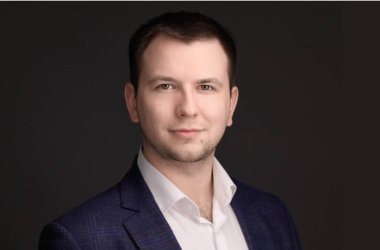




In a world increasingly characterised by fragmentation, the Middle East is offering something refreshingly different & unique: a collaborative, forward-looking vision of growth. As geopolitical tensions, economic decoupling, and regulatory divergence redraw the map of global business, this region is emerging as the hub of investment and blueprint for business-led globalism, observes Atul Soneja, Chief Operating Officer at Tech Mahindra.
The narrative is shifting. No longer defined solely by natural resources, the Middle East today is actively engineering its future, with bold national visions, technology-first strategies, and a strong commitment to regional cooperation. From artificial intelligence and clean energy to digital infrastructure and financial innovation, the Middle East is leaning into disruption with measured confidence and strategic clarity. The stats reflect the same… In 2023, it attracted over $60 billion in foreign direct investment—much of it flowing into non-oil sectors—with the UAE, Saudi Arabia, Qatar, and Oman at the forefront of digital and AI-led advancements.
Through my ongoing dialogues with policymakers, business leaders, and innovators across the region, one observation is evident: the Middle East is not merely adapting to the forces of global change—it is actively shaping them. And in doing so, it offers the world an instructive lesson: that true competitive advantage emerges from purposeful and sustained collaboration.
The Role of Business in Global Rebalancing
In today’s multipolar landscape, the burden of sustaining global cooperation can no longer rest solely on governments. Businesses — especially those with cross-border footprints and diverse stakeholder ecosystems — have an increasingly vital role to play as co-architects of stability, trust, and shared progress.
The Middle East offers a particularly compelling illustration of this potential. Here, business diplomacy, anchored in shared value creation, ethical application of technology, and cultural fluency, is helping to transcend geopolitical divides and unlock tangible impact.
“Whether it is co-developing smart city platforms, forging sovereign cloud partnerships, or building integrated cross-border fintech ecosystems, enterprises in the region are proving that collaboration can be both purposeful and profitable.”
We have witnessed this approach firsthand. Our partnerships in the Middle East go beyond transactional contracts to embrace a shared sense of purpose — from upskilling youth through digital academies, to co-creating GenAI platforms with regional institutions, and enabling ESG ambitions through technology-driven transparency.
Collaboration as a Technology Strategy
In an increasingly hyperconnected world, no single nation or enterprise can claim to have all the answers. Technologies like AI, quantum computing, and next-generation networks will demand technical breakthroughs and interoperability, ethical consensus, and deep trust. The Middle East, with its distinctive blend of ambition and openness, stands out as a natural proving ground for this model of collaborative innovation.
Yet this future won’t emerge organically; it requires conscious design and committed leadership. It calls on policymakers, corporate leaders, and entrepreneurs to embed cooperation into their strategies: investing in regional R&D alliances, harmonising digital standards, co-shaping regulations for emerging technologies, and above all, treating innovation as a shared endeavour rather than a competitive race.
As someone who believes deeply in reflection and lifelong learning, I recently shared at the World Economic Forum how history equips us to lead through transformative change. Each year, I read extensively — not just about technology or economics, but also about how societies have historically adapted to disruption, built resilience, and reimagined themselves. This discipline has taught me that transformation rarely comes from technology alone; it comes from leaders who are intellectually curious, humble, and open to rethinking what’s possible.
This mindset closely mirrors the Middle East’s emerging approach: honouring cultural heritage, investing in future-ready capabilities, and building innovation ecosystems that are regionally rooted yet globally connected. It is this philosophy — grounded in continuous learning and purposeful collaboration — that is quietly turning the region into a living blueprint for cooperative global progress.
A Blueprint for the World
The Middle East, like every region, faces its own challenges. But what sets it apart is the clarity of its ambition and the maturity of its perspective. By embracing diversity, championing digital sovereignty, and fostering innovation anchored in shared value, the region is shaping a new kind of globalism built on dialogue rather than division. This is the leadership the world urgently needs — collaborative, forward-looking, and deeply human at its core. And perhaps the greatest opportunity before us is to lean in, learn from each other, and lead together.
This opinion piece is authored by Atul Soneja, COO of Tech Mahindra.