



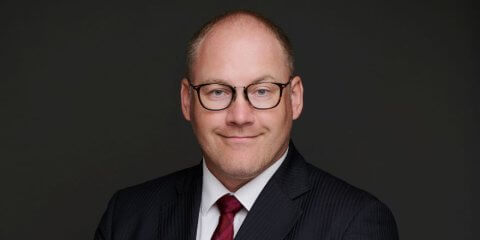
General Manager Rasso Jörg Bartenschlager discusses how hybrid systems, AI-driven innovation, and strategic partnerships are accelerating the region’s clean energy transition.
Al Masaood Power is contributing to the region’s shift toward cleaner energy by integrating innovative technologies and forming strategic collaborations that align with national sustainability agendas, including the UAE’s Net Zero 2050 and Saudi Vision 2030.
Rasso Bartenschlager, General Manager of Al Masaood Power Division, spoke to Tahawultech about evolving energy landscape in Gulf and how the company is positioning itself for the future of power generation.
Interview Excerpts:
How does the Gulf region’s progress in renewable energy and hybrid systems compare with global leaders such as Germany, Denmark, and China, and what unique advantages or challenges does the region face in closing the gap?
The Gulf region is making significant strides in the renewable energy space, but there are unique advantages and challenges that differentiate it from global leaders like Germany, Denmark, and China. One of the Gulf’s primary advantages is its vast solar and wind potential, which allows for abundant renewable resources. The region also benefits from strong governmental support, such as the UAE’s Net Zero 2050 strategy and Saudi Vision 2030, which have accelerated the deployment of renewable energy systems. However, challenges remain. The region’s climate presents unique opportunities for advancing durable and high-performance energy systems. High temperatures, dust, and humidity call for innovative engineering and technology to ensure consistent reliability and efficiency. Unlike Denmark, which has developed an integrated renewable system combining wind and district heating, the Gulf is focused on building dependable, clean power solutions to meet growing demand during the summer months. To close the gap with global leaders, the Gulf will need to continue its investments in hybrid systems, energy storage, and digital infrastructure, including AI-enabled grids. These technologies will ensure that renewable energy can be seamlessly integrated into the region’s power mix while maintaining reliability.
AI and hybrid energy solutions are increasingly seen as the backbone of the Gulf’s energy transformation. How is Al Masaood Power leveraging these technologies to optimise efficiency, resilience, and sustainability in power systems?
At Al Masaood Power, we view AI and hybrid energy solutions as pivotal to driving the energy transition. Hybrid energy systems, which combine renewable sources like solar and wind with traditional backup power, are integral to ensuring reliability and reducing dependency on fossil fuels. Our focus is on creating flexible systems that can adapt to changing energy demands and integrate new technologies as they emerge. AI plays a critical role in optimising the efficiency of these systems. By utilising AI-driven predictive maintenance and smart grid technologies, we can monitor energy usage in real-time, foresee potential system failures, and optimise fuel use. AI also helps in forecasting renewable energy output, enhancing grid resilience by enabling quick responses to fluctuations in demand or generation. This digital transformation is key to reducing energy waste and ensuring that power systems are not only more efficient but also more sustainable and resilient.
How does the recent partnership between Al Masaood Power and Instagrid enhance your portfolio and contribute to the UAE’s clean energy goals?
Our partnership with Instagrid marks a significant milestone in Al Masaood Power’s journey toward supporting the UAE’s clean energy ambitions. Instagrid provides the UAE with its first professional-grade, portable, emission-free battery system, which aligns directly with the country’s Net Zero 2050 strategy. This solution is designed to replace traditional fossil-fuel-based generators with a cleaner, more sustainable alternative, particularly in industries that require mobile power solutions, such as construction, events, and emergency services. Offering these portable, emission-free systems, we are not only helping to reduce carbon footprints but also ensuring that businesses can operate more efficiently and sustainably.
“The Instagrid technology fits perfectly into our long-term vision of delivering flexible, scalable, and environmentally responsible energy solutions, supporting the UAE’s transition to a low-carbon future.”
With data centers expanding rapidly in the region, how do you see renewable and energy-efficient technologies reshaping their role as sustainable tech hubs aligned with the Gulf’s digital economy ambitions?
As the Gulf region becomes a hub for digital transformation, particularly with the rapid expansion of data centers, the demand for sustainable, energy-efficient technologies will become even more critical. Data centers consume vast amounts of power, not only for their computational needs but also for cooling systems. This creates an opportunity for renewable energy and energy-efficient technologies to play a central role in reshaping the region’s digital economy. At Al Masaood Power, we are working with data center operators to integrate renewable energy sources like solar and wind, along with energy storage solutions, to reduce reliance on grid power. We are also exploring innovative cooling solutions, such as immersion cooling, that significantly reduce the energy required for cooling while increasing computational power density. These technologies will allow data centers to align with the Gulf’s ambitions for a green economy, reducing their carbon footprint while meeting the region’s growing digital demands.
“Incorporating sustainability into the heart of data center operations helps drive the digital economy in a way that supports the region’s broader sustainability goals.”
Al Masaood Power works closely with governments and OEMs to align with initiatives such as UAE Net Zero 2050 and Saudi Vision 2030. Can you share specific projects or partnerships that illustrate this alignment in practice?
Al Masaood Power aligns its business direction with the national sustainability agendas of the UAE, Saudi Arabia, Iraq, and Bahrain. Our work reflects the priorities set under the UAE’s Net Zero 2050 Strategy, Saudi Vision 2030, and Iraq Vision 2030, which all emphasise cleaner and more diversified energy systems. In the UAE, we are contributing to the transition through projects such as the solar-integrated microgrid for a carbon-capture facility in Fujairah — a model for how renewable energy can enhance reliability and reduce emissions in industrial settings. Together with our OEM partners, we continue to expand hybrid and renewable power applications serving governmental, industrial, marine, and mission-critical sectors like data centres across our core markets. While our operational base today is in the UAE, Iraq, and Bahrain, our technology roadmap and strategic direction remain fully in step with Saudi Arabia’s wider energy diversification and sustainability objectives that are shaping the region’s future power landscape.
Looking ahead, what role do you see the Gulf playing in shaping the global energy transition over the next decade, and how is Al Masaood Power preparing to support this vision through innovation and regional collaboration?
The Gulf region is poised to play a pivotal role in the global energy transition over the next decade. As a major energy producer, the Gulf has the unique opportunity to lead the world in shifting from fossil fuels to sustainable, clean energy solutions. The region’s combination of abundant renewable resources, strong governmental initiatives, and increasing investments in new technologies gives it a competitive edge in shaping the future of energy. Al Masaood Power is committed to supporting this vision by continually innovating and adapting to new energy trends. We are investing heavily in hybrid systems, AI-powered solutions, and smart grid technologies that will enable the region to meet its energy demands in a sustainable way. In addition, regional collaboration will be key to driving this transformation. Working with governments, technology partners, and industry leaders, we aim to contribute to the development of a robust, resilient, and flexible energy infrastructure that will support the Gulf’s energy ambitions and shape the future of the global energy landscape.