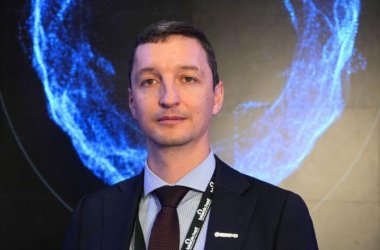



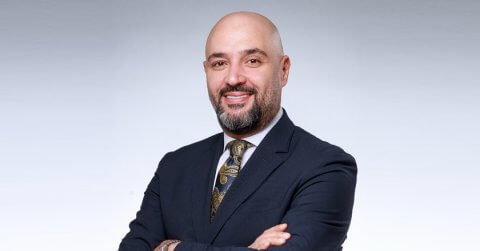
General Manager Mohamad Hashem outlines how Vision 2030, digital maturity, and AI adoption are reshaping security priorities for organisations nationwide.
Saudi Arabia’s cybersecurity landscape is advancing at an unprecedented pace, powered by Vision 2030, rapid digital transformation, and a market increasingly aware of modern cyber risks. Against this backdrop, Kaspersky continues to strengthen its footprint in the Kingdom, reporting double-digit growth and expanding its collaborations with government entities, academic institutions, and national digital upskilling programmes. With AI-driven threats becoming more sophisticated and cybercriminals leveraging the same technologies as defenders, the company is doubling down on innovation, talent development, and intelligence-led security.
Mohamad Hashem, General Manager – KSA & Bahrain at Kaspersky, spoke to Daniel Sheperd, Online Editor, about the company’s 2025 performance, the evolving threat landscape, AI-powered cyber defence, and the critical steps organisations must take to stay resilient in an increasingly complex digital environment.
How much growth has Kaspersky achieved in Saudi Arabia this year, and what factors are driving this performance?
We have recorded steady year-on-year growth, and for the first three quarters of 2025 alone, we have already achieved 12% YoY growth, with this number expected to rise by the end of December. This momentum is driven by the strength of our products and services, as well as the maturity of the Saudi market, where organisations can clearly differentiate between cybersecurity offerings.
Kaspersky detects over 15 million cyberthreats every day, including around 500,000 newly identified malicious files. Among the most common threats we see are backdoors, password stealers, and ransomware. Ransomware attacks, in particular, have grown more sophisticated, often executed by highly prepared and well-funded groups.
We have recently signed an MoU with Monsha’at, the government body supporting SMEs, making our solutions more accessible to smaller organisations. We have also partnered with several respected Saudi universities to train students in cybersecurity. In addition, I am pleased to announce our collaboration with Tuwaiq Academy to establish the Kaspersky Academy in Saudi Arabia, helping advance Vision 2030’s goals for secure digital transformation and building a strong cybersecurity talent pipeline.
AI has been part of Kaspersky’s technology stack since 2008, well before today’s AI evolution. With more than 15 million threats detected daily, AI is essential in our detection engine. Cybercriminals are also using AI to enhance their attacks and make them more realistic. To counter this, we continuously evolve our AI capabilities to defend against AI-driven threats effectively.
AI is an indispensable tool across industries today, but it is also used by cybercriminals. For example, AI can replicate legitimate websites within minutes to carry out highly convincing phishing attacks. Kaspersky helps organisations by distinguishing between legitimate and fake sites through our threat intelligence and extensive global database. Our academic partnerships and the newly announced Kaspersky Academy will equip Saudi students and professionals with the skills needed to combat next-generation threats.
AI systems themselves can be manipulated; attackers can tamper with datasets or libraries to influence outputs. Before adopting AI at scale, organisations must ensure their infrastructure is properly secured. I strongly advise investing in strong cybersecurity solutions and conducting compromise assessments and penetration testing to uncover hidden vulnerabilities before deploying AI-driven tools.