


Apple started rolling out the new Apple Card to a few of its customers yesterday ahead of its launch at …
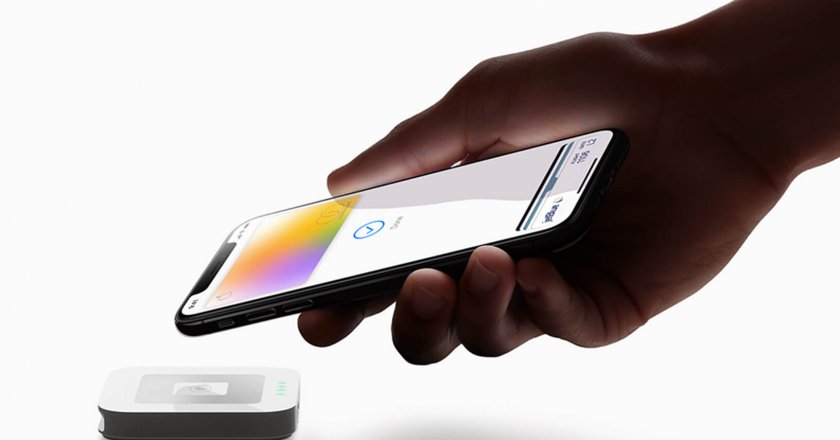
Apple started rolling out the new Apple Card to a few of its customers yesterday ahead of its launch at …

UK retailers are introducing AI and facial recognition technology to their stores in a desperate attempt to combat shoplifting. Owners …

Global tech giant IBM has announced a new blockchain network to streamline supply chain management, according to Reuters.

IBM has announced that it has transformed its software portfolio to be cloud-native and optimised it to run on Red Hat OpenShift.

OPPO has recently revealed plans to spend $1.46 billion on research and development this year and has announced that it will establish a new R&D centre in China’s Chang’an Town, Dongguan, Guangdong Province.

Worldwide shipments of devices such as PCs, tablets and mobile phones will total 2.2 billion units in 2019, a decline of 3.3 percent year over year, according to Gartner.

Channelhub, an online platform that connects consumer electronic vendors with distributors and retailers across the globe, has announced the availability …

IBM has acquired all of the issued and outstanding common shares of Red Hat for $190.00 per share in cash, representing a total equity value of approximately $34 billion.

A Chinese smart home solutions provider has been leaking billions of logs from devices managed via the company’s cloud platform, exposing a range of sensitive information about their users, according to recent report by ESET.

Ericsson has announced plans to build its first fully-automated smart factory in the US.

Riverbed today announced support for Amazon Virtual Private Cloud (Amazon VPC) traffic mirroring from Amazon Web Services (AWS). With SteelCentral …

US President Donald Trump and Chinese President Xi Jinping have agreed to resume trade talks at the G20 summit in Japan.

Bitcoin has jumped to a near 15-month high above $11,000, after jumping more than 10 percent over the weekend, Reuters reported.

ESET researchers have discovered fake cryptocurrency apps using a previously unseen technique to bypass SMS-based two-factor authentication (2FA), circumventing Google’s recent SMS permissions restrictions.